The Complete Guide to Quality Blinds
Wiki Article
The Secret Layer Of Blinds: How They Can Cut The Cost Of Energy By Half
In our quest to find the perfect home in Australia, we tend to concentrate on the costly things. Reverse-cycle air conditioning, ceiling insulation and fridges with high-performance are all high-end items. The blinds on your windows are an interesting player in terms of energy efficiency. They are often overlooked. Blinds on windows can be the greatest culprit of unwanted heat loss or gain in our humid and hot climate. Making sure you have the best windows isn't just about privacy or style; it's a direct intervention in your home's thermal efficiency and has a significant impact on your pocket and carbon footprint. The secret lies not in the fabric, but rather the design that's concealed to reflect and trap heat.
To fully grasp the potential, you must first understand the issue: the physical properties of the window. Glass is an inefficient insulator. In the summer, it functions as a magnifying lens which allows shortwave solar radiation be absorbed by your home, which is taken up by flooring and furniture, and then re-radiated as longwave heat. It is then in the greenhouse effect, which is well-known. In winter, it's exactly the opposite. The precious heat from the heater escapes via the windows that are cold. Blinds that are single-layer - simply a fabric or vinyl piece - only provide modest protection. The blinds reduce glare, but they don't hinder heat transfer. It's the designs that make use of reflective technology and trapped air that really make a difference.
There are two styles of blinds that are worthy of praise for their effectiveness in the home: honeycomb blinds (or cellular blinds) and thermal-backed blinds.
The Reflective Shield is designed for Roller Blinds with Thermal Backing
Think of these as the insulated foil bag for your windows. By adding an extra thin, metallic layer on the fabric, a blockout roller blind can be transformed into a thermally efficient device. The key is the reflective coating. In the summer, this layer is turned outward after the blinds are lower. The reflective coating functions as a mirror that reflects a substantial portion of heat from the window. This is proactive protection. In winter, the same principle works in reverse. If you lower the blind and the reflective coating is placed on it, it will face your room and reflect the radiant heat. It's a simple but elegant technology that turns blinds into an effective climate control system. Find blinds that show their "Total Solar Energy Rejected", TSER percentage. Good thermal-backed blinds can reject 70% or more of solar heat.
Honeycomb (Cellular) Blinds The Insulating Trap.
Honeycomb blinds are insulated due to their stunning structure. Blinds with thermal reflect light, while honeycomb blinds are insulated. Honeycomb blinds' hexagonal cell structures, which look like beehives, are more than only an aesthetic element. They also function as tiny insulations. Vertical columns of fabric trap and enclose pockets of air that remain still when the blinds is lowered. If air is static, it's one of the best insulators in nature. This is the reason double-glazed windows and cavity walls, are made. Air pockets trapped in the air act as an air-tight barrier between the glass of your window and your room. Air pockets drastically reduce heat transfer in both directions. When it is a hot day, the glass takes longer to heat your air. If it's a cold morning, your warmth inside is kept in check by the cold glass. Double-cell designs create a better air barrier thanks to two layers of cells stacked. Honeycomb blinds are a dual-season performance. They can block the heat from entering or out.
To maximize this potential energy savings, it takes more than simply purchasing the right product; it requires a strategic approach to use. The seal is critical. With gaps, efficiency plummets. Professional measurements and installation are crucial. A blind installed correctly to a window recess (inside mount) creates a far superior seal across the four sides than one hanging in front of the frame. Side channels can be used to guide the blind reducing air and light gaps. It is also essential to operate. For the blinds to be fully lowered, they need to be in the lowest position during the peak times of heating. When the sun has set it is possible to close the blinds in order to keep warm during winter.
When consulting with suppliers, shift the conversation from just colour and cost-per-square-metre. Inquire about technical issues that will reveal the real performance.
The financial logic is convincing. Even though high-end blinds such as Honeycomb or thermal can be higher priced than the basic ones at first, you should consider them a cost-effective investment over the long run. The reduced workload and consequently lower operating costs can be substantial. Over the lifespan of the blinds, which may be a decade or more the savings over time on energy bills can effectively cover the cost of the product. It's more than just a window treatment but a method to lower your energy bills.
The end result is that choosing blinds that are energy efficient will allow you to build a house that is more durable and sustainable. It's about using smart design to adapt to our climatic challenges, not just battling against it with force-driven air conditioning. It makes for a quieter and more relaxing home, with less drafts and more stable temperatures. The hidden insulation layer in the blinds is a fantastic option to boost the efficiency of your household particularly at a time when energy costs are rising and environmental awareness is growing. This is a simple improvement that will pay off in comfort, but also in terms of money, season after season. Take a look at the top rated blinds for site examples including cheap blinds australia, city blind, custom fit blinds, the window shade, aq blinds, direct to you blinds, just blinds, blinds au, window shades online, you blinds australia and more.
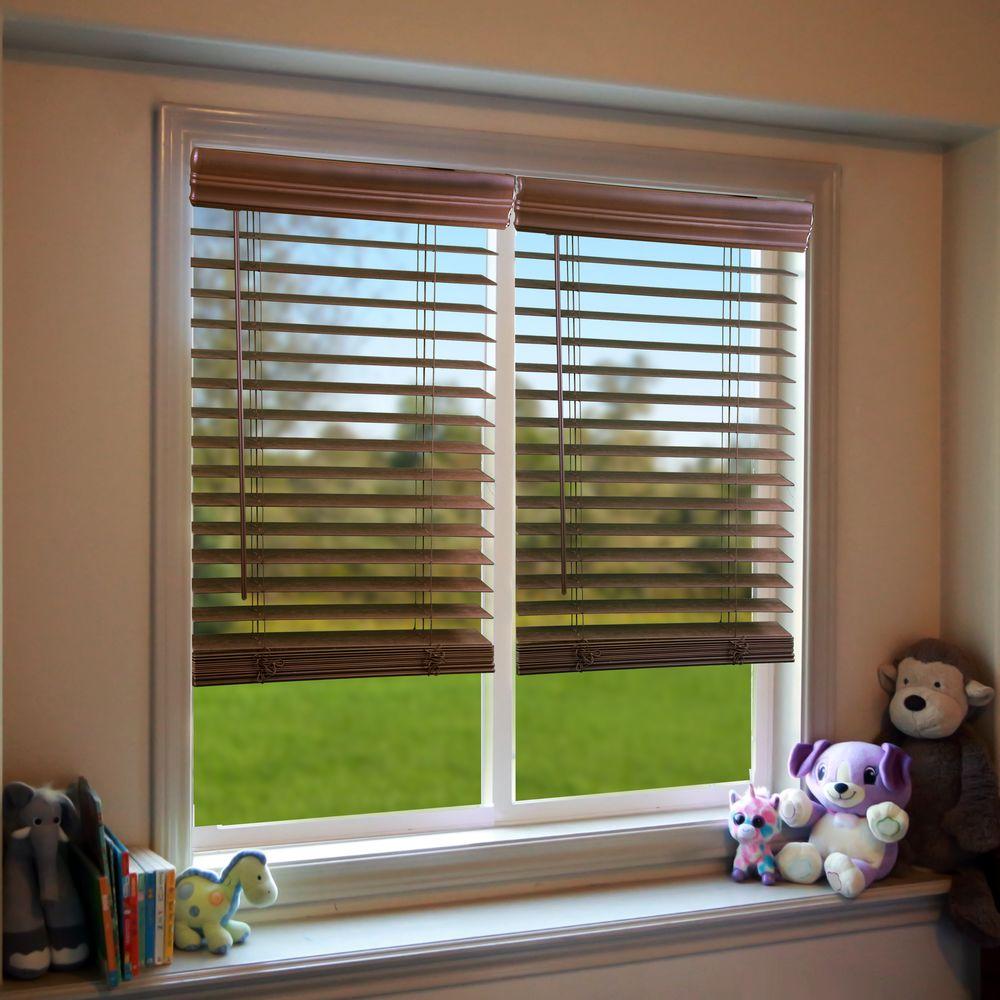
The Silent Change: How Motorised Blinds Are Quietly Redefining The Australian Home.
In the Australian imagination, the humble blind has been a manual item. Simple physical actions are the basis of daily life at home. A pull on a string, or a twist using a tool. But a quiet revolution that is driven by function is in progress, it isn't a mere change in the material. Motorization, which was once thought of as an extravagant technology, is now an important, sensible option for Australian households. Blinds aren't an unmoving cover, but rather an connected system that can provide security and convenience and also opens up the opportunities for energy-efficiency and contemporary living. It's not just about getting rid of the cord. It's about rethinking everything a window blind can do.
Let's start with the first appeal that is most obvious simple, easy convenience. Consider the Australian architectural style: the banked windows or the towering glass door or the skylight which is hard to reach. Operating multiple coverings manually across a wide and tall space can be a tiring task. With motorisation, a single command--a button on a remote, a tap on a smartphone, or a voice instruction--orchestrates the entire scene. You can open all the blinds in your living space to block out the afternoon sun without leaving your seat. While you're sleeping you can easily lift the blinds in your bedroom to enjoy the sunshine. This is ideal for rooms that have plenty of windows. You can turn an ordinary task into something that's an everyday activity. The mechanics are top-quality. A motor that is of top quality offers quiet, smooth, and constant operation. It is free of jerks and slips that are common with manual systems.
It also leads to the second major benefit for Australia, which is improved efficiency of energy. Temperature management is by far the most significant consumption of energy in our homes. Motorisation of blinds permits the strategic and controlled operation, something that can't be done by hand. With a simple timer that can be programmed or integration with smart home systems, your blinds can become active participants in managing your home's microclimate. It is possible to schedule them to automatically lower by 11 am, to stop summer's scorching sun and to prevent building up heat. In winter, you can make them open earlier in the morning so that they can capture passive solar heat. They can then be closed at night to add an extra layer of insulation. This proactive approach reduces the demand on air conditioners or heaters. Additionally, it results in lower energy bills. This is an automation to improve comfort and conserving energy.
Motorization is a double safety argument. First, it provides the most effective solution for child safety. By eliminating cords and chains completely, it eliminates the strangulation hazard right at the source, and aligns perfectly with and exceeding Australian standard safety requirements. Parents and grandparents can have complete peace of mind. In addition, it increases the security of your home. Blinds' random movements can deter potential intruders use to look for empty houses. When you're away and your blinds are smart, they can be programmed to raise and lower according to a set time, simulating occupancy in a way that traditional blinds and static timers cannot reproduce. This allows you to incorporate security into your everyday routine.
However, the real potential of motorisation is only realized through integration and intelligent eco-systems. Modern motorised blinds aren't isolated and are built to communicate. They are able to integrate with platforms such as Google Home or Amazon Alexa. They can also function as a scene for a intelligent home automation. Imagine the "Good morning" scenario that is triggered by the alarm and gradually raises the blinds in your bedroom. The scene also turns on soft lights and activates the coffee maker. The "Away scene" secures your house by locking all doors, activating alarms, and closing the blinds. Blinds can be incorporated with sensors that will automatically lower them when the room's temperature sensor is at a certain level or shut blinds based on their location. It's a method to move control away from a reactive environment and towards a more responsive, intelligent space that is a perfect fit for your lifestyle.
The route is now more accessible to Australians who are considering taking this route. Retrofit solutions are now able to motorize existing shades that have headrails compatible, without the need to completely replace the blind. Motors powered by batteries or hardwired are the best choice for new installation. Batteries are extremely flexible and are simple to set up. For normal use, lithium batteries can last two years. They are durable and maintenance-free. They're ideal for major renovations or new construction where wiring is planned. It is contingent on the electrical accessibility of your home and your preference for ongoing battery management as well as the upfront electrical work.
It is important to consult with suppliers before deciding on the one that works best for your needs. When speaking with suppliers, shift from asking "Can it be motorised?" Ask "How does it integrate?" Examine their knowledge of the smart home protocols (Wi-Fi, Zigbee, Z-Wave). Ask about the reliability of the control ecosystem they recommend. A guarantee for electronic and motor components is crucial. A reliable provider will be able to discuss fail-safes, such as manual override options in the event of power interruption, and will also ensure that the system has been calibrated for the precise weight and size of your blind.
The investment in motorized shades in Australia will ultimately result in more secure and efficient home. It tackles the fundamental issues of our climate and lifestyle by providing elegant, efficient solutions. It turns an item in the home that was passive into an active device to manage light, heat and privacy. It's more costly to set up than manual systems. However, over time savings in energy and security are achieved, along with everyday convenience. It represents a conscious step towards a home that doesn't just shelter you, but actively works with you as a silent collaborator in crafting the perfect lighting, the right temperature, and the ideal atmosphere for Australian living, one automatic adjustment at one time.
